Blogs & white papers
|
For Manju Nag, the future of flight isn't just a concept, it's a system he has been helping build, integrate, and test from the ground up. A licensed private pilot with a deep-rooted passion for aerospace engineering, Manju has spent over a decade designing advanced aviation automation like auto-throttle, auto-land, and complex flight deck systems. Today, he serves as the Senior Manager of Aircraft Systems Engineering, Integration and Test (SEIT) at Wisk, where he has been a driving force for over seven years.
During his tenure at Wisk, Manju has played a pivotal role in guiding the Gen 6 aircraft program from its very first initial requirements all the way to its recent successful test flights. When he isn’t shaping the next generation of autonomous flight or spending time in the cockpit himself, he is focused on pushing the boundaries of what's possible in the skies. We spoke with Manju about his dynamic day-to-day role, the incredible milestone of seeing a clean-sheet design take flight, and how his real-world piloting experience influences the autonomy of tomorrow
Can you share a bit about your role as Senior Manager of Aircraft Systems Engineering, Integration and Test (SEIT) and what your day-to-day looks like?
Planning test activities with the team to actively support our Hollister flight operations, my focus has been entirely on execution for the past 12-18 months. Day-to-day, the environment is highly dynamic requiring us to constantly evaluate, re-assess, adapt, and execute. Every day brings a new challenge, and challenges provide an opportunity to innovate, and engineer new ways to push the program forward.
Gen 6 is in its active flight test program, with two aircraft recently completing their first test flights. What was your role in getting these aircraft in the air?
In my role as Senior Manager within the aircraft Integrated Product Team (IPT), I was deeply involved in the day-to-day planning with SEIT teams driving the verification, analysis, and documentation required to clear us for the first flight. Additionally, as a designated Safety of Flight (SOF) signatory for the aircraft, the lead-up to first flight involved exhaustive assessments of system functionality, safety assessments, and risk exposure and acceptance, Of course, in collaboration and supported by the Chief Engineer’s office, our SMEs, and various other IPTs. Achieving first flight was truly the culmination of five years of hard work, and seeing them take off was an incredibly proud and soulful experience
You’ve been with Wisk for over seven years now. Looking back, what has been your favorite memory?
The first flight of FTX 1 is easily my most cherished memory. The Gen 6 program was my very first clean-sheet design. Being part of the team from day one, when we were just defining the first requirements, to witnessing the aircraft actually take to the sky stands out as both my favorite memory and my proudest accomplishment.
Given your background in developing automated functions such as auto-throttle and auto-land, what's it like taking this to the next level with a fully autonomous aircraft?
While automation isn't new to aviation, taking the pilot out of the loop brings a whole new set of challenges! The systems and the architecture look very different than they do on a traditional aircraft. I truly believe that autonomy is the next big leap forward for aviation. What we are building today at Wisk is setting the technological foundation for the next few decades of flight in this very exciting phase for the industry.
As a private pilot, does your time in the cockpit change how you approach building and testing systems on the ground?
Absolutely. Piloting an aircraft gives me insight into the procedures for continued safe flight. On the Gen 6 program, when we remove the pilot from the Aircraft, those responsibilities of the pilot are allocated to systems on board the aircraft or on the ground. Autonomous aircraft are designed to be resilient to failures, so asking 'what would a pilot do?' in any situation is usually the simplest and most effective way to understand how to define system functionality
Are you watching the 2026 World Cup, and if so who are you rooting for?
Slowly but surely getting into the World Cup spirit! I'm a big Messi fan and rooting for Argentina all the way. The best is yet to come.
What brings you joy outside of work?
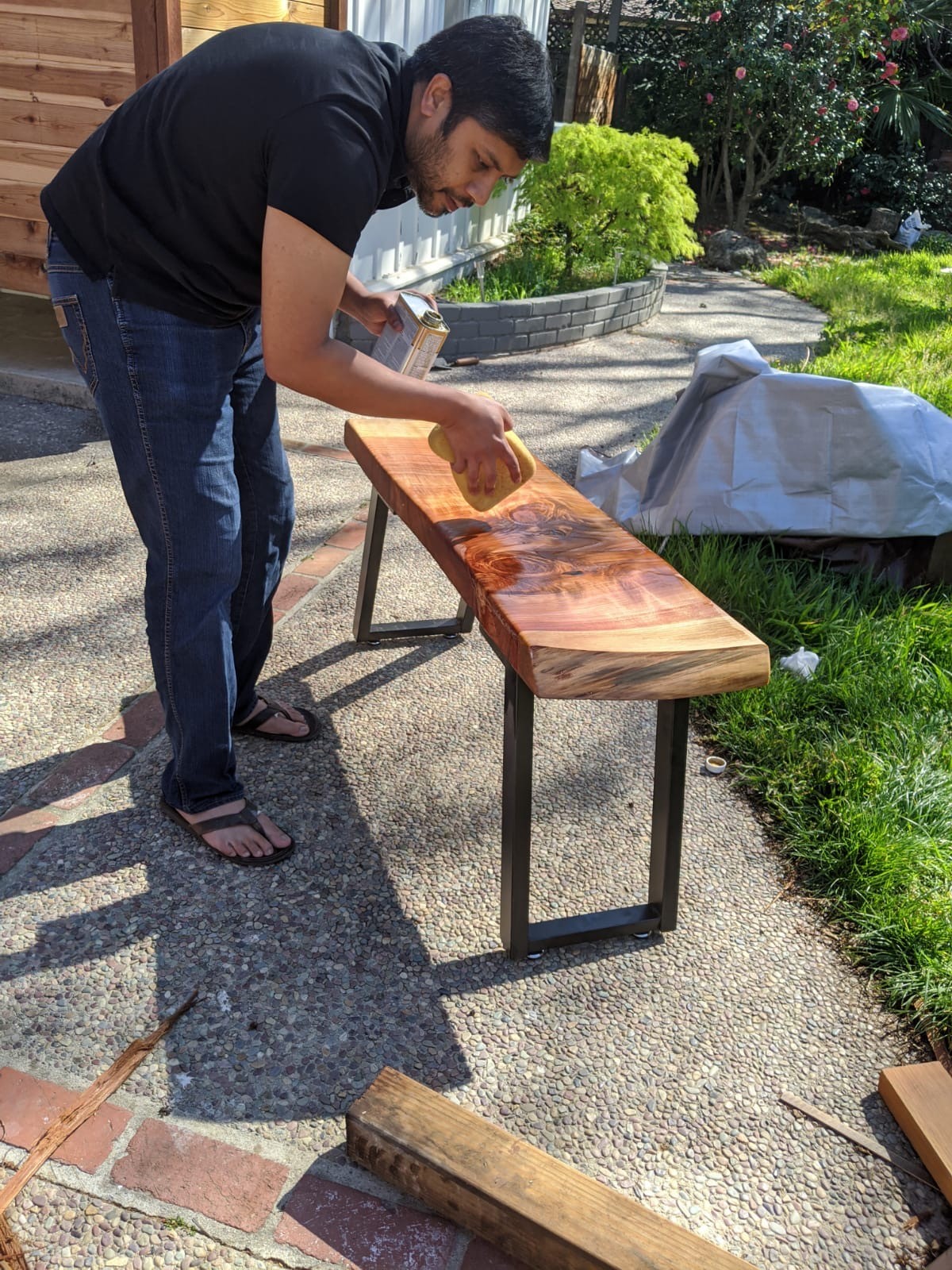
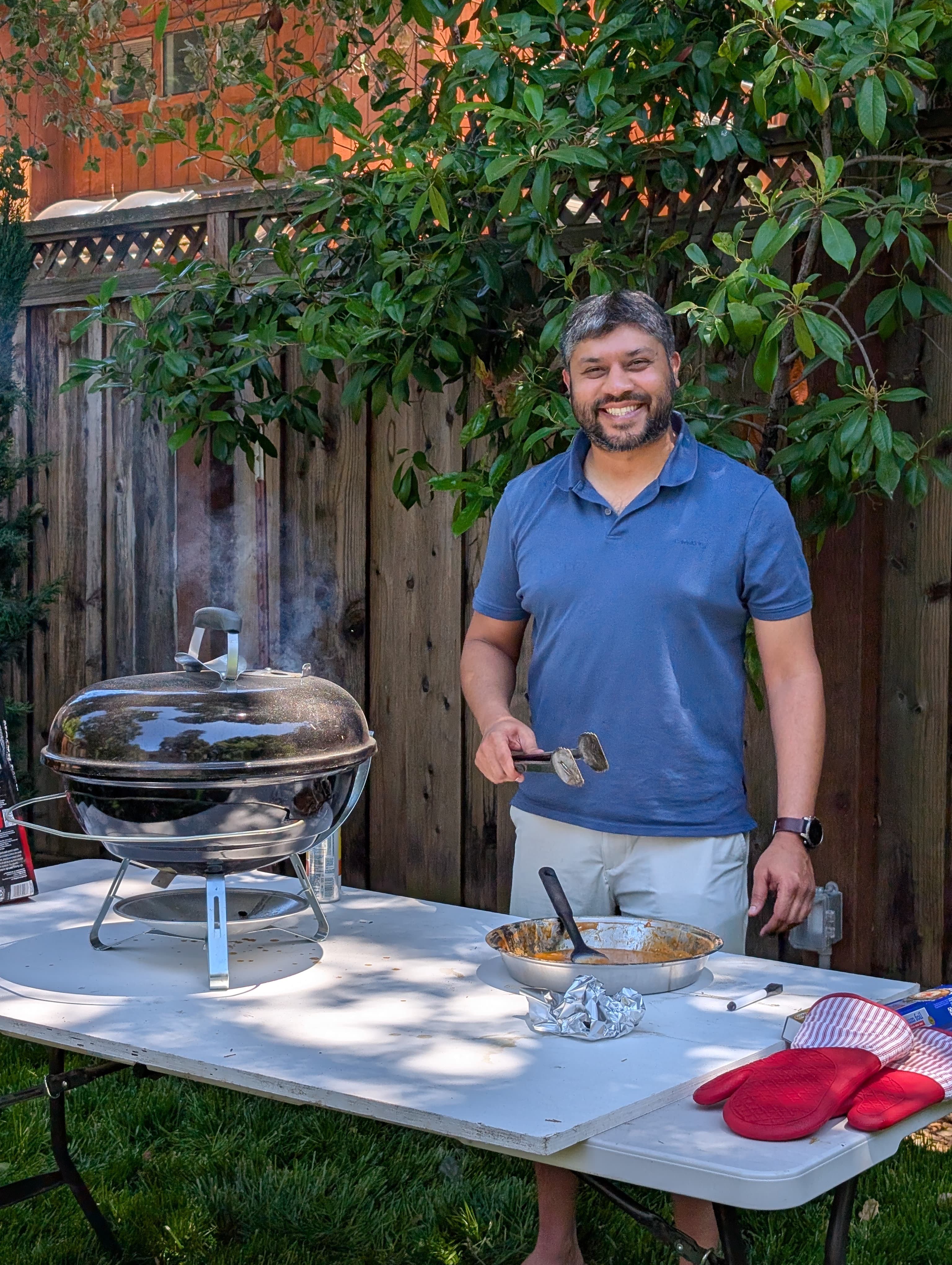
Outside of work, quality time with friends and family is my top priority. My weekends usually include gatherings, kid-friendly activities, and making memories together. When I get some time to myself, I love diving into DIY home projects, usually working with wood and epoxy. If the weather is nice, you might also find me playing a game of cricket or trying to log a couple of hours up in the air flying.